
Yes, you can get a second SBA loan — and many business owners do. There is no SBA rule that limits you to a single loan. Whether you want to open another location, buy equipment, acquire a competitor, or simply need more working capital, a second SBA loan is absolutely on the table.
The real question isn’t whether you’re allowed to get another SBA loan. It’s whether your business is in a position to qualify. This guide covers the aggregate limits, what lenders evaluate on a second application, the most common scenarios, and how to set yourself up for approval.
The SBA Has No “One Loan” Rule
A common misconception is that the SBA only allows one loan per business or per borrower. That’s not true. The SBA’s loan programs have no restriction on the number of loans a borrower can hold. You can have multiple SBA loans at the same time, apply for a second loan while still repaying the first, or come back for another round after paying one off entirely.
You can even mix programs. A business owner might use a 7(a) loan for working capital and a 504 loan for commercial real estate — both active simultaneously. Each application is evaluated independently by the lender. Your existing SBA loan doesn’t disqualify you from applying for another one. It simply becomes part of the financial picture the lender reviews.
Understanding the $5 Million Aggregate Limit
While there’s no cap on the number of SBA loans you can hold, there is a cap on the total amount. The SBA sets a maximum aggregate guarantee exposure of $5 million across all of your outstanding 7(a) loans. This means the combined balance of every active SBA 7(a) loan tied to you cannot exceed $5 million at any point.
Key Fact
The $5 million cap applies to outstanding balances, not original loan amounts. As you pay down principal on your first loan, you free up capacity for additional borrowing. If your first $500,000 loan now has a $300,000 balance, you have up to $4.7 million in remaining SBA 7(a) borrowing capacity.
SBA 504 loans have their own separate limit — up to $5.5 million through a Certified Development Company (CDC), with higher caps available for manufacturing and energy projects. Because these limits are tracked independently, you could potentially hold both 7(a) and 504 loans and access more than $5 million in total SBA-backed financing.
What Lenders Look for on a Second Application
Getting approved for a second SBA loan isn’t automatic. Lenders treat each application on its own merits, but your track record with the first loan weighs heavily. Here’s what they evaluate:
- ✓Payment history on your existing SBA loan — This is the single most important factor. Consistent, on-time payments demonstrate you can manage SBA debt responsibly.
- ✓Business growth and revenue trends — Lenders want to see that your business has grown since you took out the first loan. Rising revenue signals the capacity to handle more debt.
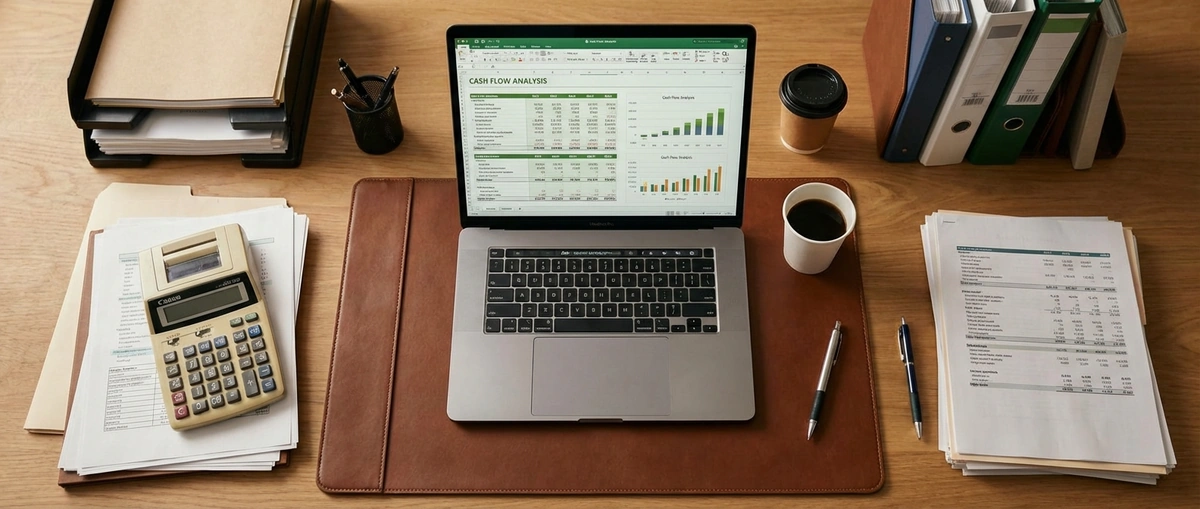
- ✓Cash flow and DSCR — Your Debt Service Coverage Ratio must be strong enough to support payments on both loans combined.
- ✓Total debt load — The lender reviews all outstanding obligations, not just SBA debt, to assess your overall leverage.
- ✓Clear purpose for the new funds — A vague request raises red flags. A specific, well-justified use of funds — like expanding to a second location or purchasing equipment — strengthens your case.
- ✓Updated business plan — Prepare financial statements and projections that show how the second loan fits into your growth strategy.
What Is DSCR and Why Does It Matter?
DSCR stands for Debt Service Coverage Ratio. It’s calculated by dividing your net operating income by your total annual debt payments. Lenders typically want a DSCR of 1.25x or higher — meaning your business earns $1.25 for every $1.00 it owes in debt payments. When you apply for a second SBA loan, the new payment gets added to your total debt service. If your DSCR drops below the lender’s threshold with the added payment, the application may be declined. Strong, growing cash flow is what makes a second loan feasible.
Common Scenarios for Getting a Second SBA Loan
Business owners pursue a second SBA loan for a wide range of reasons. Here are the four most common scenarios:
Expanding to a Second Location
Your first location is thriving and you’re ready to replicate the model. A 7(a) loan can cover build-out costs and working capital, or a 504 loan can finance the real estate purchase with as little as 10% down.
Purchasing Additional Equipment
Growth often demands new machinery, vehicles, or technology. A second 7(a) or 504 loan can fund major equipment purchases with favorable terms — up to 10-year repayment on equipment and SBA-capped interest rates.
Acquiring Another Business
Buying a competitor or complementary business is a proven growth strategy. SBA 7(a) loans are one of the best tools for business acquisition financing, often requiring just 10% down from the buyer.
Working Capital for a Growing Operation
Rapid growth can strain cash flow. A second SBA loan — whether a 7(a) term loan, an Express loan, or a CAPLine — can provide the working capital cushion your business needs to keep pace with demand.
Can You Use a Different Lender for Your Second Loan?
Yes — and in some cases, you should. You’re not locked into the lender that issued your first SBA loan. Different lenders specialize in different programs, industries, and loan sizes. Shopping around lets you compare rates, terms, and fees to find the best fit for your second loan’s specific purpose.
That said, your existing lender has one advantage: they already know your business. They’ve seen your financials, watched your payment history, and understand your industry. This familiarity can streamline the underwriting process and potentially speed up approval. If your current lender offers competitive terms, staying put can save time. If not, don’t hesitate to shop around — the SBA loan application process works the same regardless of which lender you choose.
When to Apply for a Second SBA Loan
Timing matters. Applying for a second SBA loan too early — before you’ve established a solid track record with your first one — is one of the most common mistakes borrowers make. Most lenders want to see at least 12 to 24 months of on-time payments before they’ll seriously consider a second application.
Common Mistake
Don’t apply for a second SBA loan within the first year of your existing loan unless you have exceptional circumstances. Lenders interpret early applications as a sign that the first loan wasn’t sufficient or that cash flow is tighter than projected. Build a track record first.
Beyond payment history, the best time to apply is when your business can clearly demonstrate growth. Revenue should be trending upward. Your DSCR should comfortably cover both the existing and proposed debt payments. And you should have a specific, well-defined purpose for the new funds — not just a general desire for more capital.
Tips for Getting Approved
If you’re planning to apply for a second SBA loan, these steps will significantly improve your chances:
- Maintain a perfect payment history on your existing SBA loan. Even one late payment weakens your case.
- Prepare updated financial statements that show business growth — year-over-year revenue increases, improving margins, and healthy cash reserves.
- Define a clear, specific purpose for the additional funds. “We need to purchase $200,000 in equipment to fulfill a new contract” is far stronger than “we want more working capital.”
- Update your business plan to reflect current performance and realistic growth projections that factor in the new debt.
- Keep your personal credit strong. A 640+ FICO score is the typical minimum, but higher scores get better terms and smoother approvals.
- Show your DSCR works with both loans combined. Run the numbers before you apply so there are no surprises during underwriting.
Key Takeaway
A strong track record with your first SBA loan is your most powerful asset when applying for a second one. Consistent payments, growing revenue, and a clear plan for the new funds make a compelling case to any lender.
Ready to Explore Your Options?
Getting a second SBA loan is not only possible — it’s a smart move for business owners who have outgrown their initial financing. The key is demonstrating that you’ve used your first loan responsibly and that your business has the cash flow to support additional debt.
If your business is growing and you need capital to take the next step, a second SBA loan could be exactly the right tool. Talk to an SBA lending specialist who can review your financials and help you determine the best path forward.
Ready for Your Next SBA Loan?
Whether you’re expanding, acquiring, or investing in equipment, our team can help you navigate a second SBA loan application. Let’s review your options together — no obligation.